
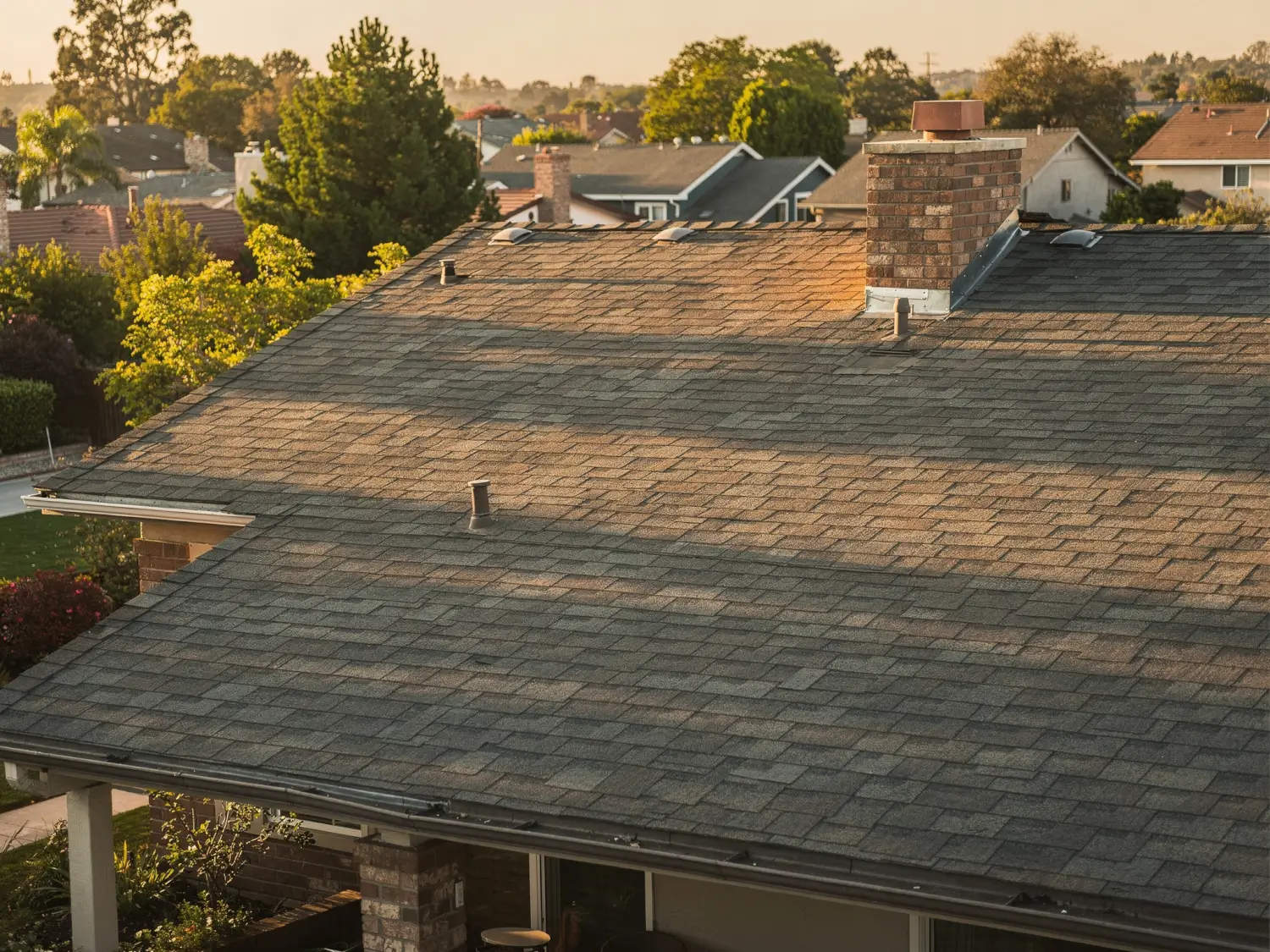
If there’s one roofing question homeowners ask right after “how much is this going to cost me,” it’s this: how long does a roof last in California?
Fair question. California roofs deal with a little bit of everything: strong sun, heat, temperature swings, coastal moisture in some areas, and the kind of rainy stretches that suddenly expose every weak spot you didn’t know was there. So the honest answer is: it depends on the material, the installation, the ventilation, and how well the roof has been maintained. In broad terms, many California roofs last anywhere from about 20 years to 50+ years, with tile and some metal systems lasting much longer than basic asphalt.
Average Roof Lifespan in California
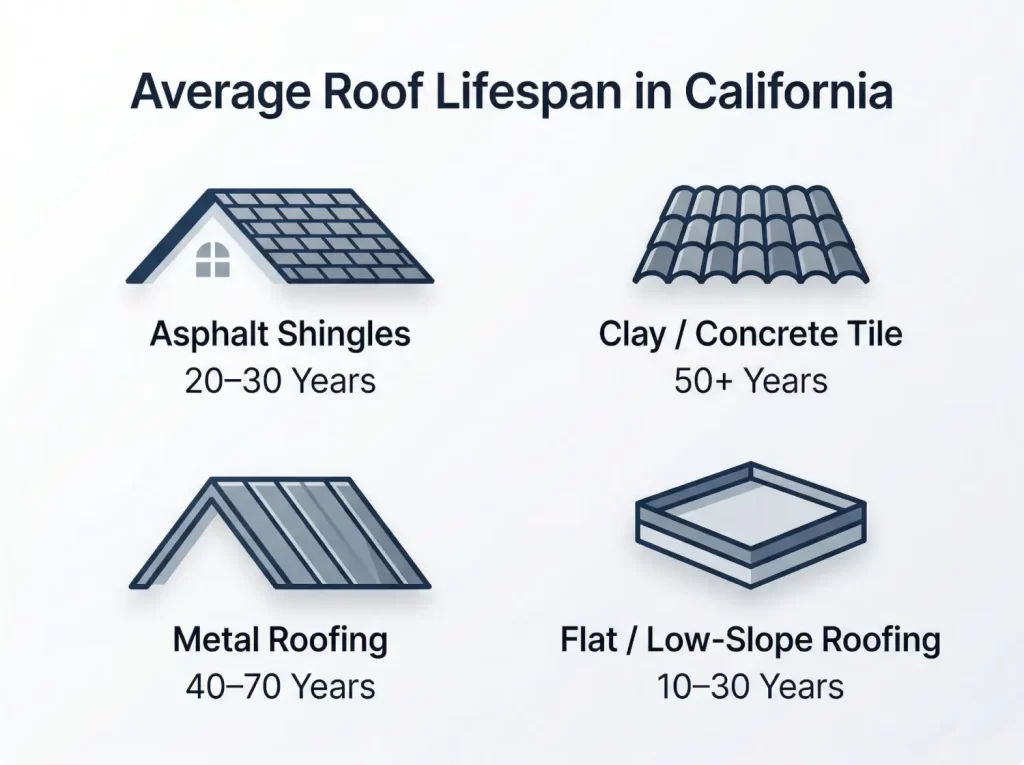
Here’s the quick version before we get into the weeds:
| Roof type | Typical lifespan |
|---|---|
| Asphalt shingles | 20-30 years |
| Clay or concrete tile | 50+ years |
| Metal roofing | 40-70 years |
| Flat / low-slope roofing | 10-30 years depending on system |
These are real-world ballpark ranges, not guarantees. A well-installed roof with solid ventilation and regular maintenance can beat the average. A poorly installed roof in harsh conditions can tap out a lot earlier. Hot climates also tend to shorten asphalt shingle life, which is worth keeping in mind in many parts of California.
Roof Lifespan by Material
Asphalt shingles
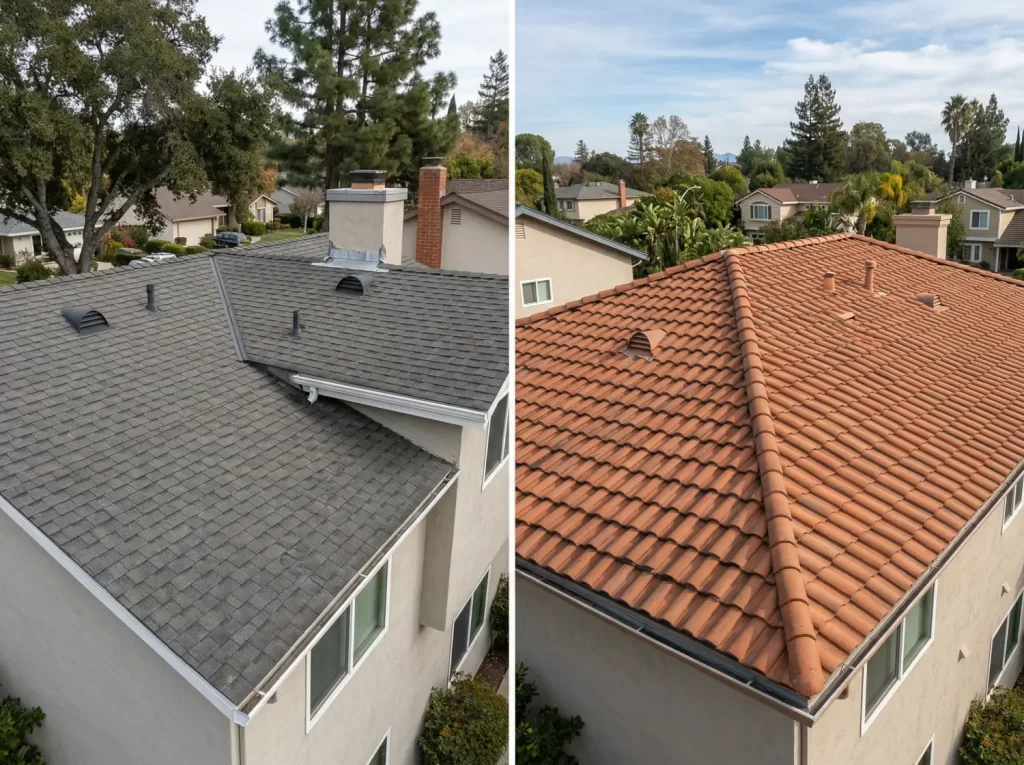
Asphalt is still the most common residential roofing material for a reason. It’s practical, widely available, and usually the most budget-friendly option up front. But it’s also the material most likely to have its lifespan shortened by heat, UV exposure, and ventilation issues.
For most California homes, asphalt shingles usually land in the 20-30 year range. Architectural shingles tend to outlast basic 3-tab shingles, and better installation matters more than people think. So does attic ventilation. A roof can have “good shingles” and still age badly if the system underneath is running too hot.
If you already see warning signs like curling, cracking, or bald spots, our guide on 7 Signs Your Roof Needs Repair Before It Starts Leaking is a good next read.
Clay or concrete tile
Tile is the overachiever of the roofing world. It’s durable, handles heat well, and is one of the longest-lasting options you can put on a house. In California, especially on homes built for it structurally, tile roofs often last 50 years or more. Some industry sources go even further and note that properly maintained clay or concrete tile roofs can outlast the structure they protect.
That said, tile roofs are not “install it and forget it forever.” The tiles themselves can last a very long time, but underlayment, flashing, and accessories may need attention sooner. So when homeowners say, “My tile roof should last forever,” the more accurate answer is, “The tile might. The full system still needs maintenance.”
Metal roofing
Metal roofs usually last a long time, and that’s a big reason more homeowners keep them on the shortlist. Depending on the product and environment, many metal roofs last around 40-70 years, and some properly specified residential systems are commonly described in the 50-60 year range.
California does add one wrinkle here: location matters. Coastal conditions can be harder on certain metal systems, so material choice becomes more important if the home is exposed to salt air. In inland areas, some coated steel systems may perform longer than they would right near the coast. (Englert)
Flat and low-slope roof systems
Flat roofs are a little trickier because “flat rioof” is really a category, not one single material.
TPO, EPDM, modified bitumen, and built-up roofing all age differently. InterNACHI’s standard life expectancy chart puts TPO at 7-20 years, EPDM at 15-25 years, and built-up roofing around 30 years. Polyglass says modified bitumen commonly performs around 15-20 years or longer with proper installation and maintenance.
So if someone asks, “What’s the flat roof lifespan in California?” the honest answer is: usually somewhere between about 10 and 30 years, depending on the system and how well it’s maintained. Flat roofs are less forgiving when drainage or flashing details are off, which is why inspections matter even more.
What Affects Roof Lifespan in California
Sun and heat
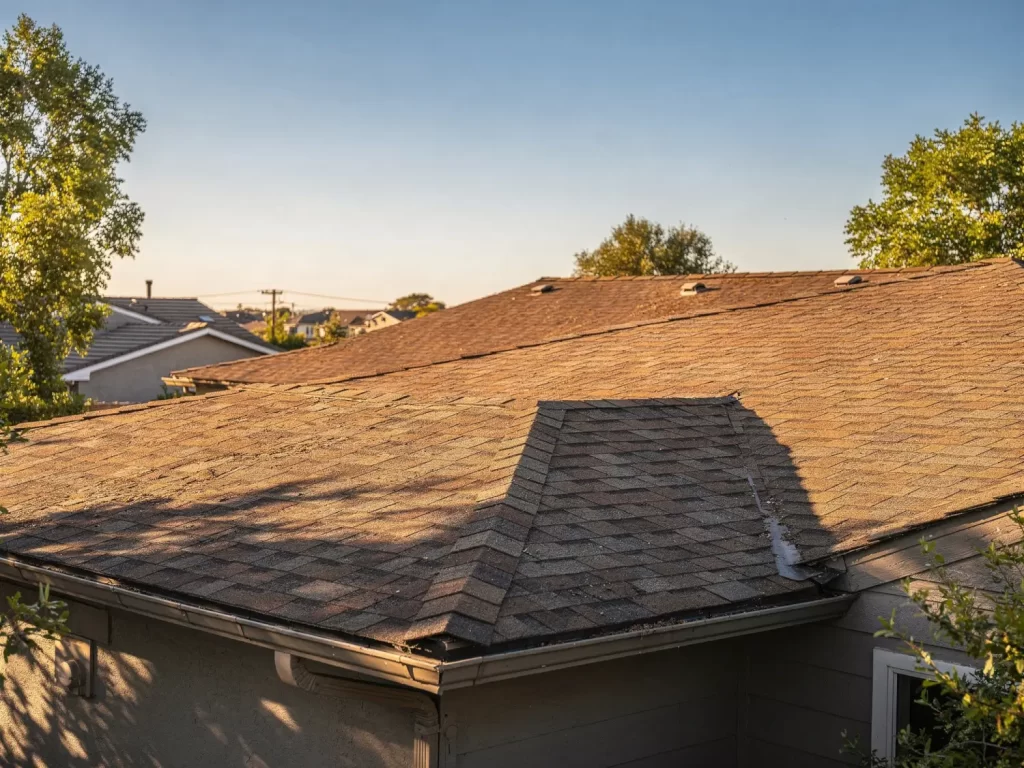
California sun is no joke. Prolonged heat and UV exposure can wear roofing materials down over time, especially asphalt. That doesn’t mean every roof in California ages badly. It just means material choice and ventilation matter more here than they might in milder climates. Hot climates can drastically reduce asphalt shingle life.
Coastal moisture and salt air
Not every California home deals with this, but plenty do. Coastal conditions can be rough on roofing components, especially certain metals and fasteners if the wrong product is used in the wrong place. That’s one reason a roof in Walnut Creek and a roof in Pacifica should not always be treated like the same project.
Installation quality
This one is a big deal and honestly a little underrated.
A roof can have solid materials and still age badly if it was installed poorly. Bad flashing details, weak ventilation, rushed workmanship, or shortcuts around penetrations can all shave years off a roof’s life. The material matters, but the system matters more.
Ventilation and maintenance
Ventilation is one of those things homeowners rarely think about until it causes problems. But a roof system that can’t handle heat and moisture well tends to age faster. California’s Energy Commission notes that cool roofs can reduce roof and attic temperatures and can last longer than conventional roofs.
Maintenance matters too. Small repairs, clean drainage paths, and periodic inspections usually cost a lot less than letting a minor issue turn into a leak with a personality.
Signs Your Roof May Be Nearing the End
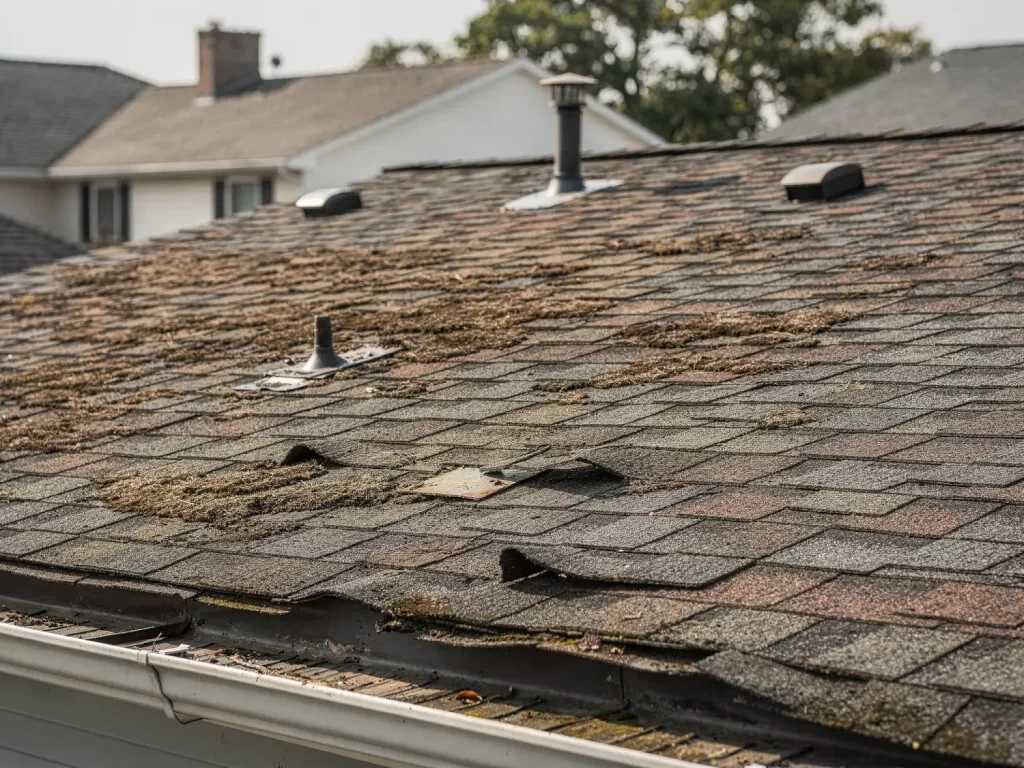
Roofs usually do not wake up one day and announce retirement with a polite email. They leave clues.
A few common ones:
- missing, cracked, curled, or cupped shingles
- heavy granule loss or bald spots
- repeated leaks or water stains
- sagging areas
- flashing failures around vents, walls, or chimneys
Owens Corning and GAF both list issues like curling shingles, excessive granule loss, sagging, and damaged flashing among common signs a roof may be past its prime or heading there.
If leaking has already entered the chat, our post on Roof Leak Repair Cost in the Bay Area can help you understand what homeowners usually end up dealing with next.
How to Make Your Roof Last Longer
This part is refreshingly boring, which is exactly why it works.
The best ways to stretch roof life are usually the least dramatic:
- schedule inspections before small issues become expensive ones
- keep gutters and drainage paths clear
- deal with damaged flashing early
- trim back branches rubbing the roof
- fix isolated problem areas instead of waiting for a leak
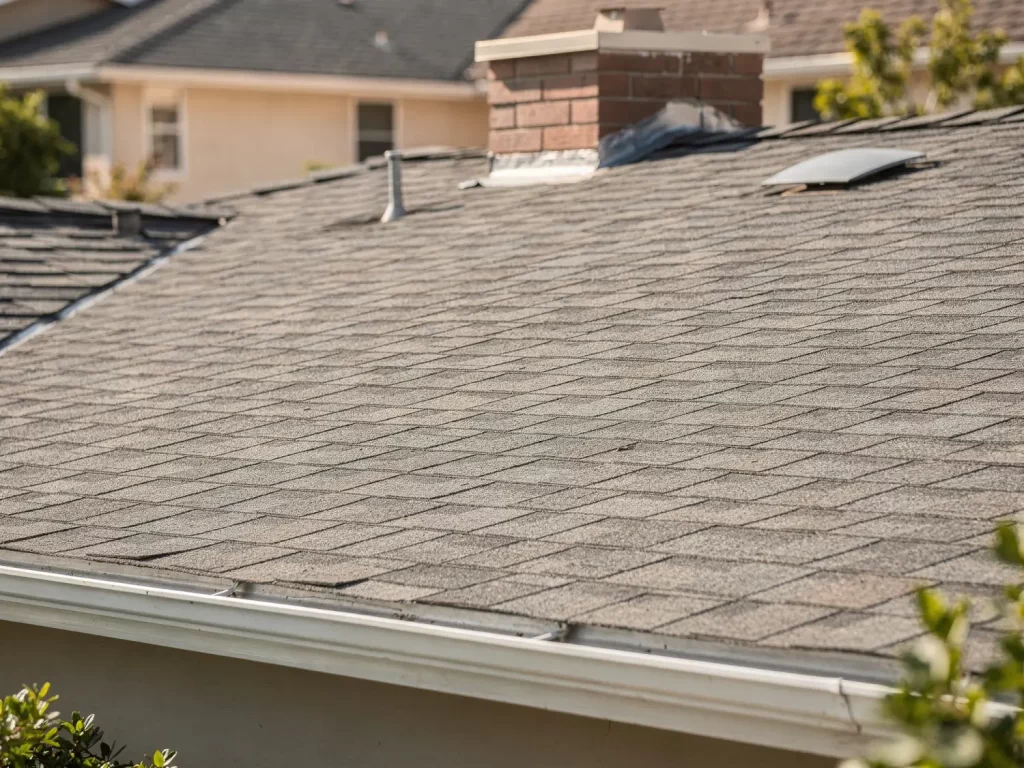
Regular inspections and seasonal maintenance help catch problems early, and that’s one of the easiest ways to protect the lifespan you paid for in the first place.
If you want a practical next step, our Repairs & Maintenance page is the right place to start.
So, when should you replace your roof?
Here’s the real-world answer: you replace a roof when its condition says it’s time, not just because a calendar says so.
Age matters, absolutely. But age plus condition matters more.
A 22-year-old asphalt roof that has been well maintained may still have a little life left. A 16-year-old roof with repeated leaks, granule loss, failing flashing, and visible shingle damage may already be telling you the conversation has changed. That’s why roof replacement decisions usually come down to three things:
- age
- overall condition
- whether repairs are still making financial sense
If the roof is nearing the end of its expected range and you’re repeatedly paying for repairs, that’s usually when replacement starts looking smarter than one more patch.
For homeowners planning ahead, our Roof System Replacements page breaks down how we approach full-system work.
What Bay Area homeowners should do next
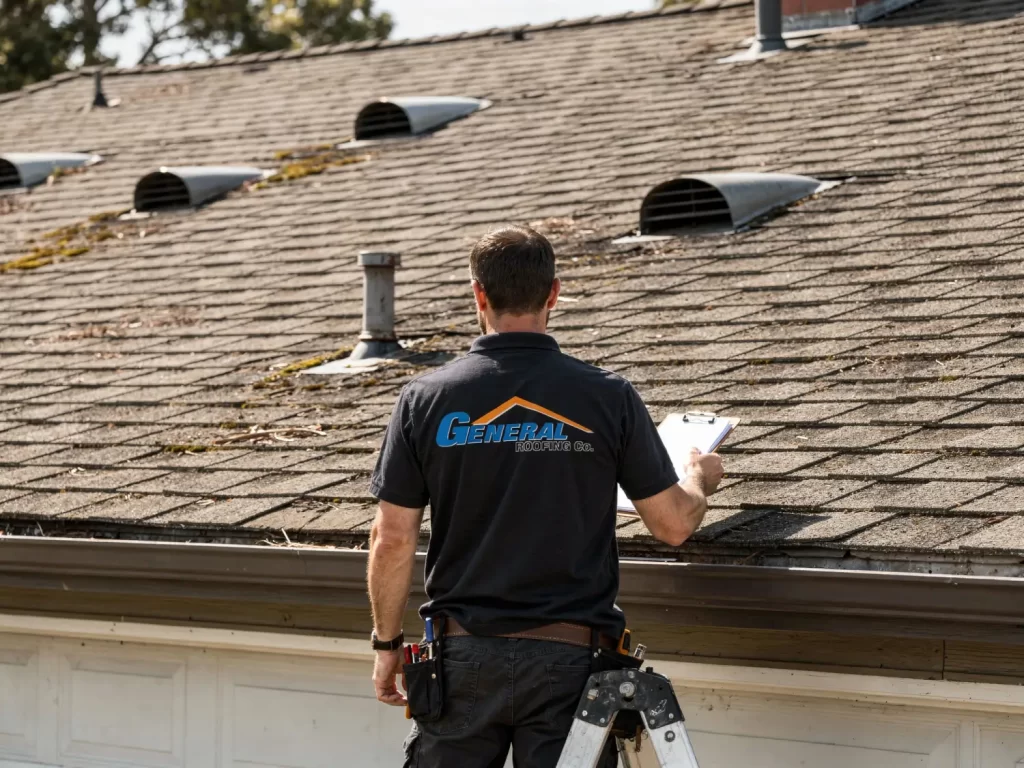
If you’re not sure how much life your roof has left, the smartest move is usually not guessing from the driveway. It’s getting a real inspection.
At General Roofing, we help Bay Area homeowners figure out what their roof is really telling them, whether it just needs maintenance, some targeted repairs, or it’s getting close to replacement territory. With over 100 years of experience, we’ve seen pretty much every roof scenario out there. Sometimes the answer is simple and reassuring. Other times, the roof is basically asking for a longer conversation.
And if you’re trying to get a feel for the inspection side of things first, our guide to roof inspection cost is a helpful next step too.
FAQs
How long does a roof last in California on average?
For many homes, somewhere between 20 and 50+ years is a fair general range, but the actual answer depends heavily on material. Asphalt usually lands around 20-30 years, tile often lasts 50+ years, metal commonly lasts 40-70 years, and flat systems vary a lot by membrane type. (InterNACHI)
How long do asphalt shingles last in California?
Usually around 20-30 years, with architectural shingles tending to last longer than basic 3-tab products. Heat, sun exposure, ventilation, and maintenance all make a difference. (Owens Corning)
What is the tile roof lifespan in California?
A properly maintained clay or concrete tile roof can often last 50 years or more, and some industry sources say tile may outlast the building itself. (Tile Roofing Industry Alliance)
What is the flat roof lifespan in California?
It depends on the system. TPO, EPDM, modified bitumen, and built-up roofs all age differently, but many flat and low-slope systems fall somewhere between 10 and 30 years. (InterNACHI)
What shortens roof life the fastest?
Poor installation, weak ventilation, ignored repairs, clogged drainage, harsh heat, and the wrong material for the environment can all shorten roof life. Hot climates are especially hard on asphalt shingles. (InterNACHI)
When should you replace your roof in California?
Usually when the roof is near the end of its expected life and the condition is telling the same story, such as repeated leaks, failing shingles, sagging, or repairs that keep piling up. (Owens Corning)
Final thoughts
So, how long does a roof last in California?
The clean answer is: long enough to make the material choice matter, but not long enough to ignore maintenance.
Asphalt roofs are often in the 20-30 year range. Tile can go 50 years and then keep showing off. Metal can be a very long-haul option. Flat roofs vary more, which is why details and drainage matter so much. And across all of them, the same truth keeps showing up: the roof that lasts the longest is usually the one that was installed well, inspected regularly, and repaired before small issues turned into expensive ones.
Recent Comments