

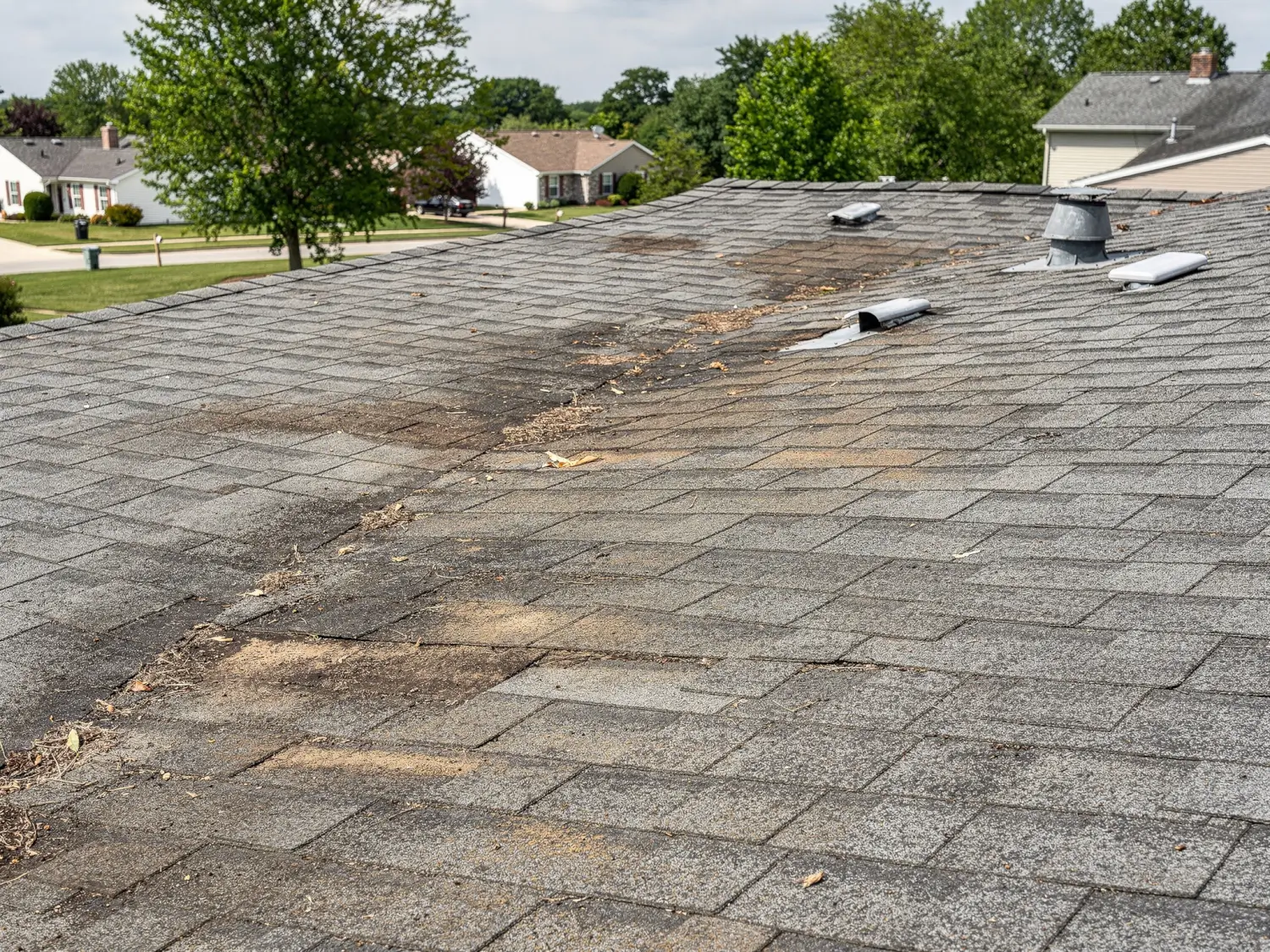
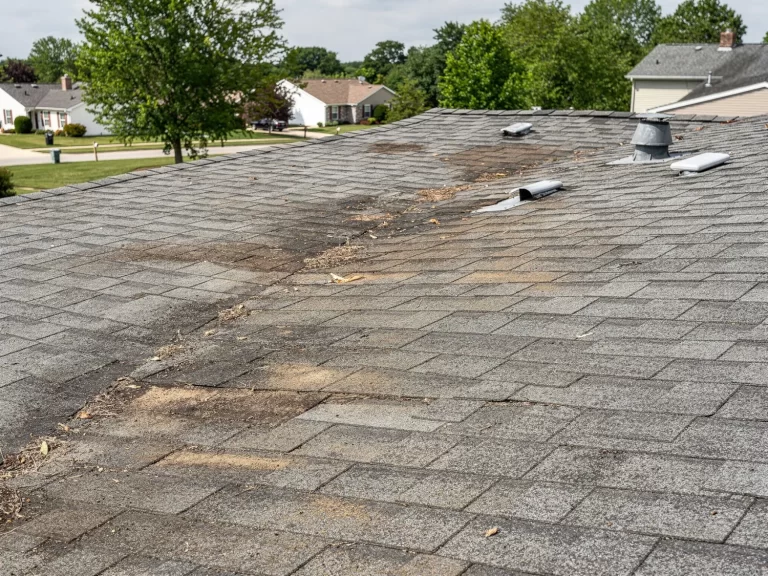
A roof leak has a special talent for showing up at the worst possible time. Usually at night. Usually during rain. Usually right when you were hoping the house would behave for at least one week.
The annoying part is that the water stain or drip you can see is not always where the leak actually started. Water likes to travel. It runs along decking, framing, nails, and insulation before it finally shows up inside your house and acts innocent.
So if you’re trying to figure out how to find a roof leak, the goal is not just spotting the wet area. It’s tracing the leak back to where it’s really getting in. That’s what saves time, money, and a whole lot of guessing.
This guide keeps it simple: what to look for, where roof leaks come from, how to check things step by step, and how to fix a leaking roof temporarily until the real repair can happen.
Signs of a Roof Leak Inside the House
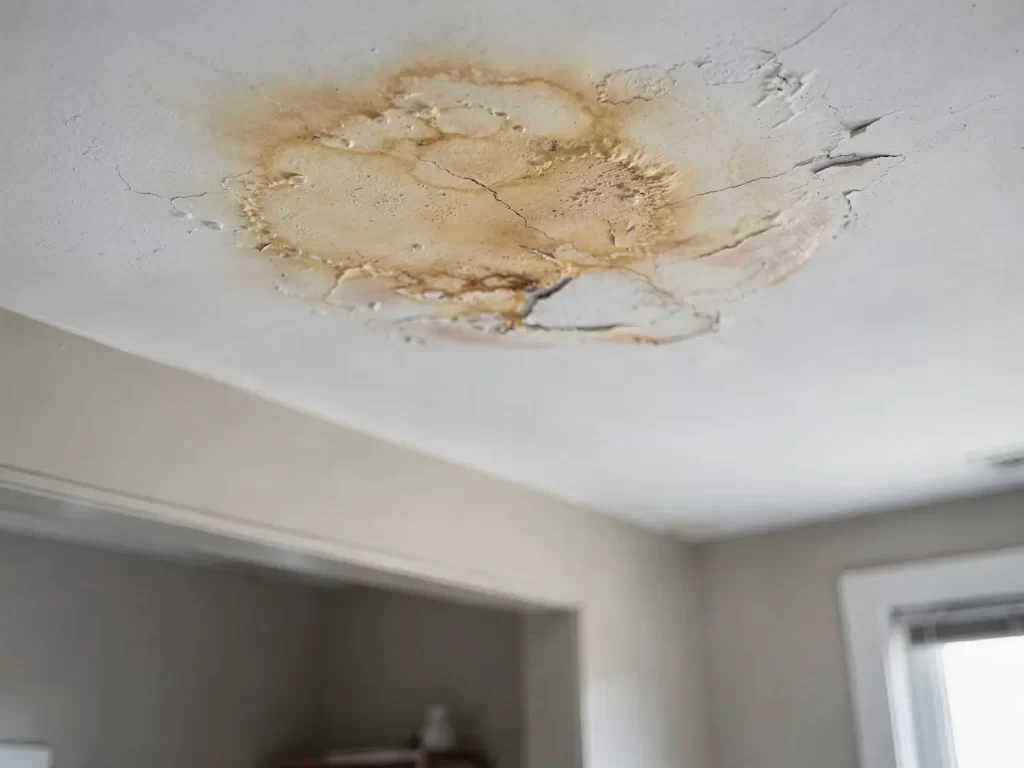
Sometimes the leak is obvious. Sometimes it’s more of a weird little clue that keeps getting worse until you finally admit, “Yeah, that’s probably not normal.”
Common signs of roof leak inside house include:
- yellow or brown water stains on the ceiling
- bubbling or peeling paint
- damp drywall
- moldy or musty smells in the attic or upper rooms
- dripping during or after rain
- wet insulation in the attic
- warped trim near exterior walls or around skylights
One thing to keep in mind: the stain you see inside is often downhill from the actual leak. That’s why people sometimes patch the wrong area and then wonder why the problem keeps coming back.
Where Do Roof Leaks Usually Come From?
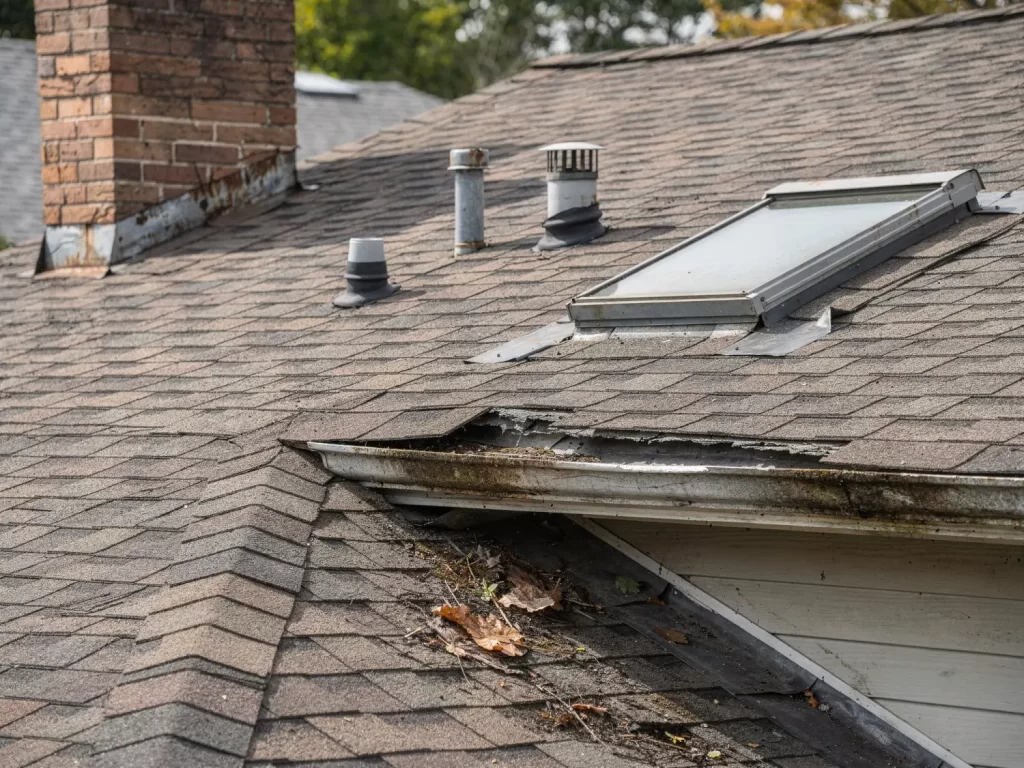
If you’ve ever wondered where do roof leaks come from, the answer is usually not “the middle of a perfectly healthy roof.”
Leaks almost always start at the details. The usual trouble spots are:
- flashing around chimneys
- vent pipes
- skylights
- roof valleys
- wall-to-roof intersections
- missing or damaged shingles
- exposed fasteners
- clogged gutters causing backup near the roof edge
These are the places where water gets the best chance to sneak in. The bigger flat sections of roofing material are usually not the first part to fail. It’s the transitions, seams, and penetrations that cause most of the drama.
How to Find a Roof Leak Step by Step
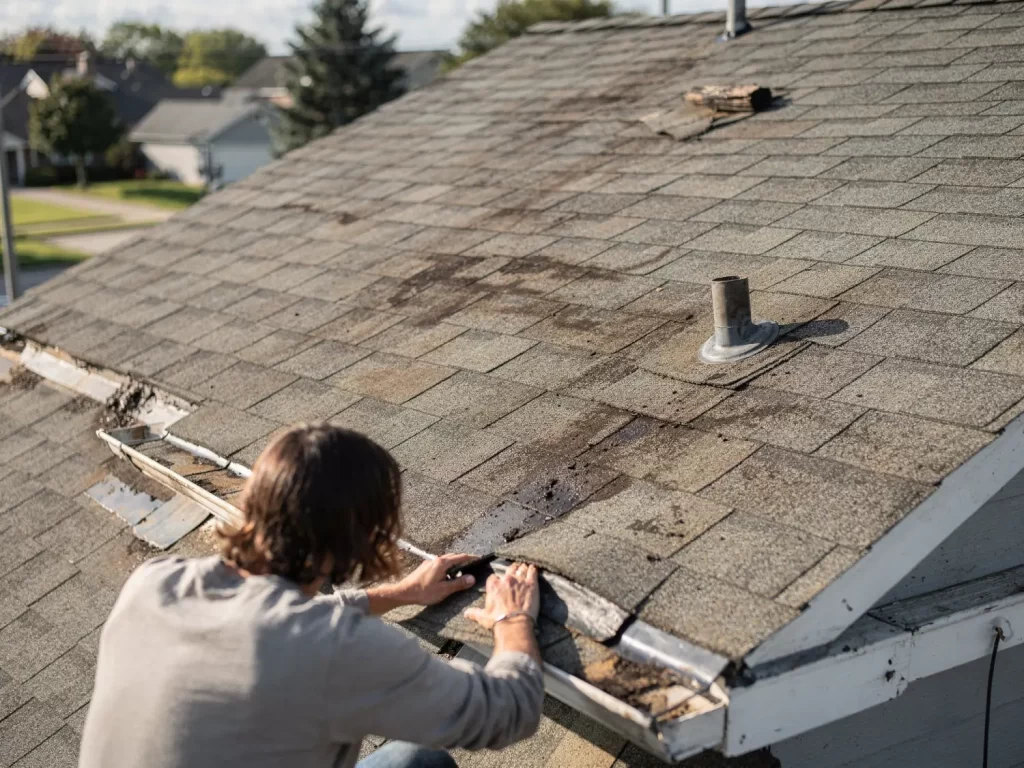
If you’re serious about learning how to locate a roof leak, start inside first. It’s usually easier, safer, and more accurate than wandering around the roof hoping something jumps out at you.
1. Start in the attic if you can
Bring a flashlight and check the underside of the roof decking.
Look for:
- dark water stains
- damp insulation
- moldy spots
- black marks around nails
- shiny or wet wood
- trails where water may have run along rafters or beams
If it’s actively raining, even better. Not for your mood, obviously, but for finding the leak. You may be able to spot where water is entering and follow the path.
2. Trace the water uphill
This is where people get thrown off.
Water often enters at one point and appears somewhere else. So if you see a ceiling stain in one room, the leak may have started several feet higher up the roof.
Follow any stain lines, wet wood, or water trails upward if possible. A roof leak tends to leave a breadcrumb trail. Not a fun breadcrumb trail, but still.
3. Check the most likely roof penetrations first
Once you’ve narrowed down the general area, check what’s above it.
Pay close attention to:
- plumbing vents
- chimneys
- skylights
- exhaust fans
- flashing details
- valleys where two roof slopes meet
These are the places most likely to leak before shingles in the middle of the roof do.
4. Inspect the roof surface carefully
If the roof is dry, safe to access, and you know what you’re doing, look for:
- cracked, curled, or missing shingles
- exposed nail heads
- lifted flashing
- gaps around penetrations
- soft spots
- debris buildup in valleys
- damaged sealant around roof features
If the roof is steep, wet, high, or sketchy in any way, skip this part and call a pro. A roof leak is annoying. A roof leak plus a broken ankle is a much worse day.
5. Use a controlled hose test if needed
If the leak still isn’t obvious, a hose test can help.
Have one person stay inside in the attic or near the stain while another runs water on one small roof section at a time. Start low, then move upward slowly. Give each section a few minutes before moving on.
This works best when you go in small zones:
- lower roof area
- flashing
- vents
- valleys
- higher shingles
If you spray everything all at once, you’ll learn absolutely nothing except that water is still wet.
Roof Leak Detection Tips That Save Time
A few simple roof leak detection tips can make this process much less frustrating.
- Start inside before outside
- Check the attic during rain if possible
- Focus on penetrations and flashing first
- Think uphill, not just directly above the stain
- Use a hose test only in controlled sections
- Take photos so you remember exactly what you found
And maybe the biggest one: don’t assume the first suspicious spot is the answer. Roof leaks love misdirection.
How to Fix a Leaking Roof Temporarily
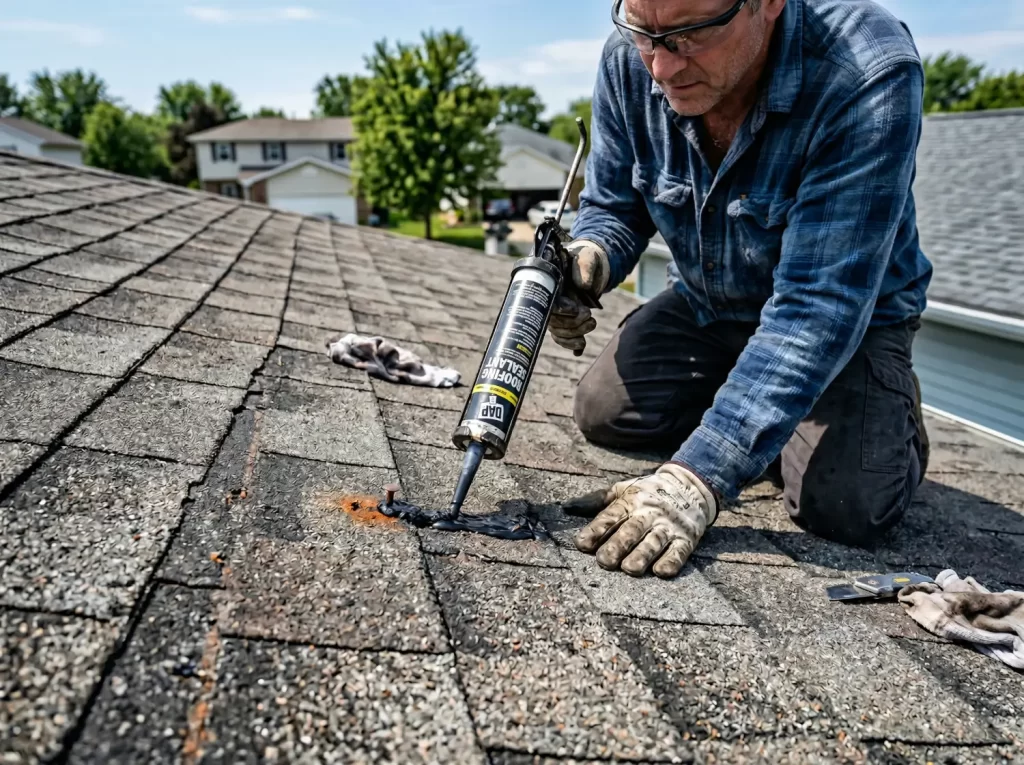
Let’s stress one thing right away: a temporary fix is exactly that. Temporary.
If you’re trying to figure out how to fix a leaking roof temporarily, the real goal is to limit interior damage until proper roof leak repair can happen.
Drying things out quickly matters too. The EPA’s guide to mold, moisture, and your home is a helpful resource if the leak has already dampened drywall, insulation, or other materials inside.
Here are the safest short-term steps:
1. Contain the water inside
Use a bucket, towels, and plastic sheeting if needed. If the ceiling is bulging badly, that can mean trapped water. In some cases, it’s safer to let that water drain in a controlled way than let the ceiling fail on its own, but if you’re unsure, stop and bring in a pro.
2. Tarp the problem area if it’s safe
If you can safely access the roof in dry conditions, a tarp can buy you time. It should extend well past the damaged area and be secured properly so wind doesn’t turn it into a giant blue kite.
3. Use roofing sealant only for very small, obvious gaps
A little roofing sealant may help around an obvious exposed fastener or minor crack, but this is not the same as an actual repair. A quick patch can stop water for now while still leaving the real issue underneath.
4. Don’t overcommit to the DIY hero arc
Temporary fixes are fine. Improvised long-term repairs usually are not. If you’re on the fence, our post on why you shouldn’t DIY roof repairs is worth a quick read before things get more expensive.
And if the leak has already turned into a repair conversation, our guide on Roof Leak Repair Cost in the Bay Area can help you understand what homeowners usually end up paying.
When to Stop Hunting and Call a Roofer
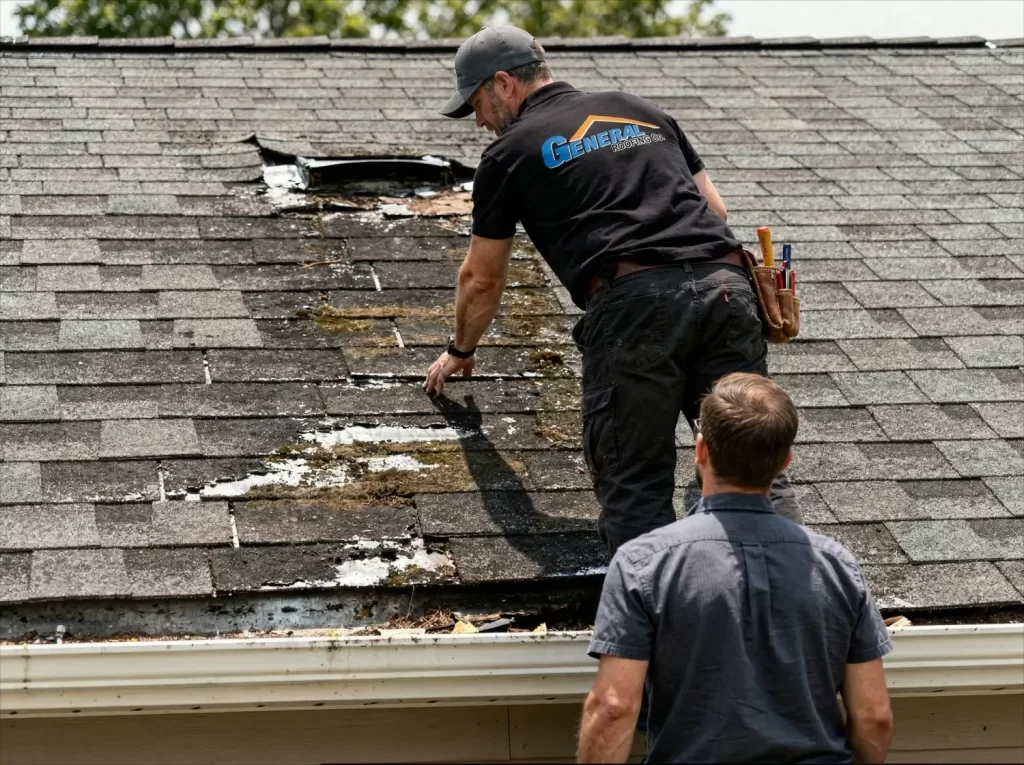
Some leaks are easy to track. Others are sneaky little monsters.
It’s time to call a roofer if:
- the leak keeps coming back
- you can’t find the entry point
- the roof is steep or unsafe to access
- flashing or structural areas look damaged
- water is spreading inside the house
- you suspect multiple problem spots
- there’s sagging, soft decking, or major staining
At that point, continuing to poke around can waste time or make the problem worse. A good inspection usually clears things up faster than guessing from three different angles and a flashlight.
How to Prevent Future Roof Leaks
Most roof leaks do not show up out of nowhere. Usually there were hints. Small ones, but still.
The best prevention habits are pretty simple:
- schedule roof inspections before rainy season
- clear gutters and downspouts
- keep valleys free of debris
- trim branches rubbing the roof
- fix small flashing or shingle issues early
- keep an eye on attic moisture and ventilation
If you want to stay ahead of problems instead of reacting to them, our guide on roof inspection cost explains what inspections usually include and when they make sense.
What Homeowners Should Do Next

Roof leaks can be especially annoying because a roof may look totally fine through long dry stretches, then suddenly fail when the first real storms show up.
If you think you’ve found a leak, the smartest move is usually to confirm the source before the damage spreads. At General Roofing, we help California homeowners figure out whether they’re dealing with a simple repair, a flashing issue, or a roof that needs a bigger conversation.
Sometimes it’s a manageable fix. Sometimes the leak is just the first clue that the roof has been asking for attention for a while. Either way, it’s much better to catch it now than after the stain on the ceiling decides to start growing opinions.
Frequently Asked Questions
Can a roof leak be far from the water stain on the ceiling?
Yes. Water often travels along rafters, decking, or framing before it shows up inside, which is why the visible stain is not always directly under the source.
What is the most common place for a roof leak to start?
Flashing around chimneys, vents, skylights, and roof valleys are some of the most common starting points.
How do I find a roof leak if I can’t see anything from outside?
Check the attic first. Wet insulation, water trails, stained wood, or damp nail points often help narrow down the area faster than an exterior-only inspection.
How do I temporarily stop a roof leak?
Use buckets inside, tarp the roof if it’s safe to do so in dry conditions, and use sealant only for very small obvious gaps. Then plan for proper roof leak repair as soon as possible.
Should I use a hose to find a roof leak?
Yes, but only in controlled sections and only when one person is watching inside. If you spray the whole roof at once, it becomes much harder to isolate the source.
When should I call a roofer instead of trying to find it myself?
If the roof is steep, the leak keeps returning, the damage is spreading, or you can’t safely access the area, it’s time to stop guessing and bring in a pro.
Final Thoughts
Learning how to find a roof leak is mostly about staying calm, starting in the right place, and not letting the first water stain fool you.
Start inside. Trace the water path. Check the usual trouble spots. Use a hose test if needed. And if all you can manage for now is a temporary fix, that’s fine too, as long as it leads to real roof leak repair before the problem gets worse.
Because small roof leaks have a bad habit of becoming very expensive “later” problems. And unfortunately, “later” tends to arrive pretty fast.
Recent Comments