
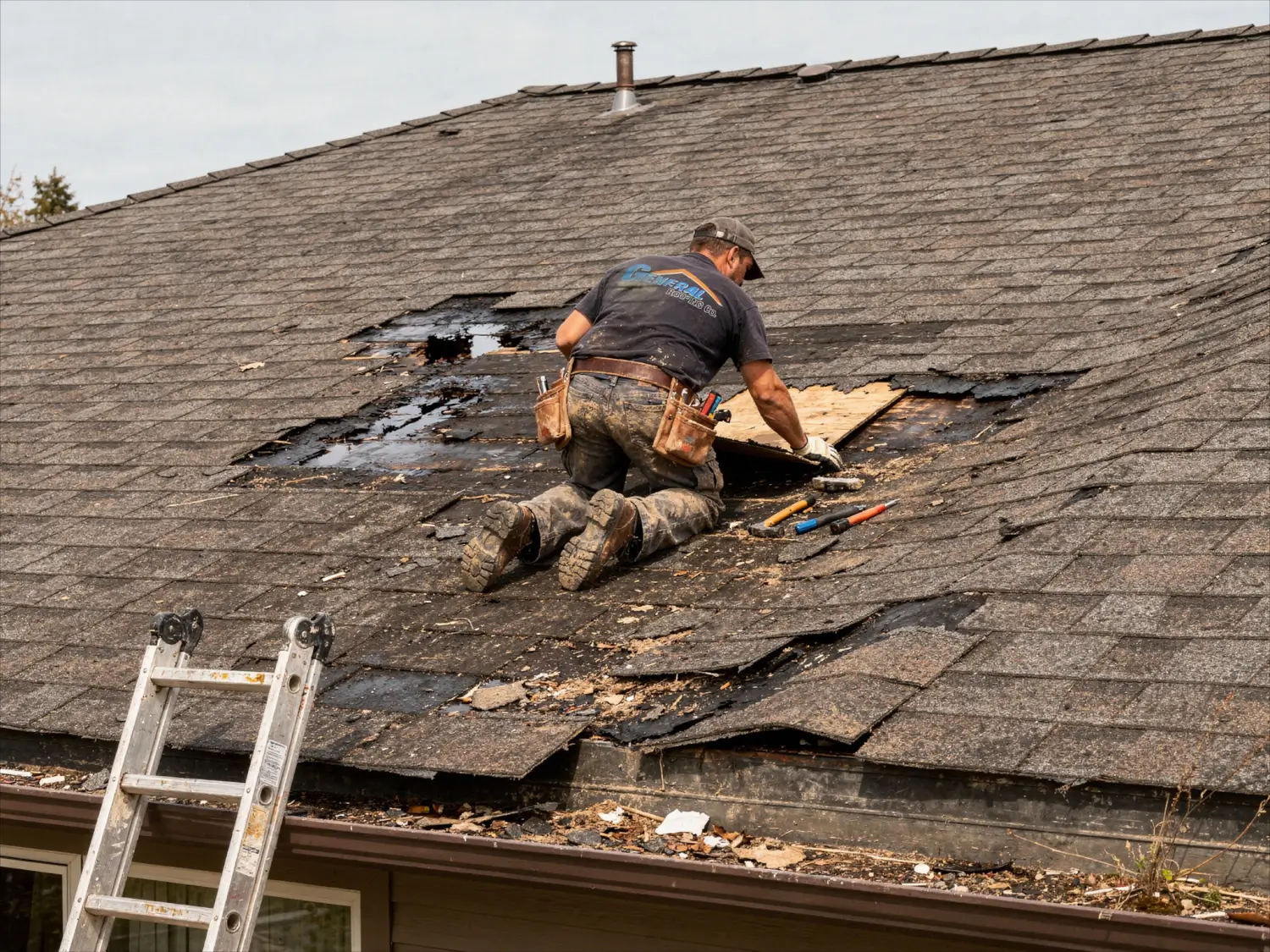
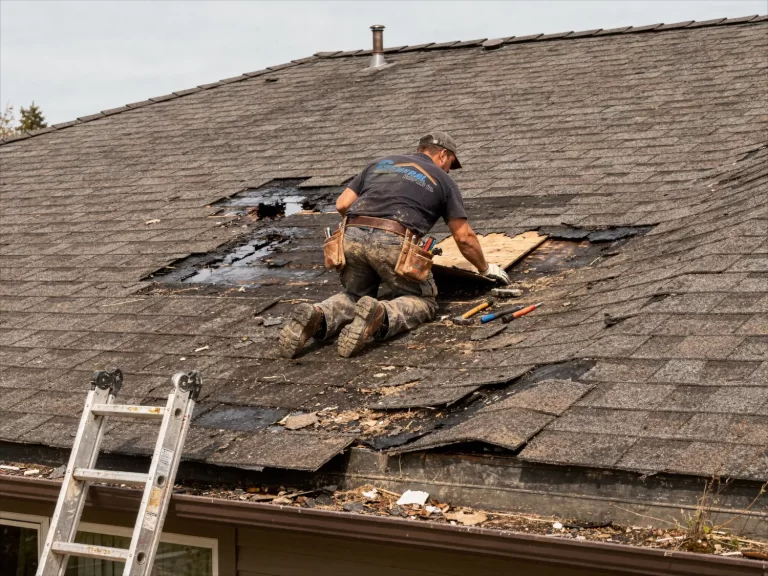
If you’ve noticed water stains on the ceiling, a damp attic smell, or that unsettling drip… drip… drip during a rainy night, one question probably jumps to the front of your mind:
How much is this going to cost to fix?
The truth is, roof leak repair cost can vary quite a bit depending on what’s actually causing the leak. Sometimes it’s a relatively small repair that takes a couple of hours. Other times, the leak is just the visible symptom of a bigger roofing issue that’s been quietly developing for a while.
For Bay Area homeowners, pricing can also be a little different than the national averages you’ll find online. Local labor rates, material costs, roof types, and even permit requirements can all affect the final bill.
Across the Bay Area, from San Jose and Oakland to San Francisco and the Peninsula, homeowners often notice roof leaks during the first major rainstorms of the season.
The good news is that most leaks don’t automatically mean catastrophic repairs. In many cases, catching the problem early keeps the cost manageable and prevents the kind of damage that leads to much larger projects later.
Let’s walk through what usually determines the roof leak repair cost, what price ranges homeowners here typically see, and how to tell whether you’re dealing with a small repair or something that deserves a closer look.
Why Roof Leaks Rarely Have One Simple Price
When people search for the roof leak repair cost, they’re often hoping for a single number. Something like: “It’ll cost about $600 and you’re done.”
Roofing unfortunately doesn’t work that way.
A leak is usually just the result of another issue somewhere in the roofing system. The cost depends on things like:
- Where the leak started
- What materials are involved
- How long the leak has been happening
- How easy the roof is to access
- Whether structural components are affected
Two homes on the same street can have very different repair costs simply because the source of the leak is different.
That’s why roofing professionals usually focus on identifying the cause first, not just patching the visible symptom.
Average Roof Leak Repair Cost in the Bay Area
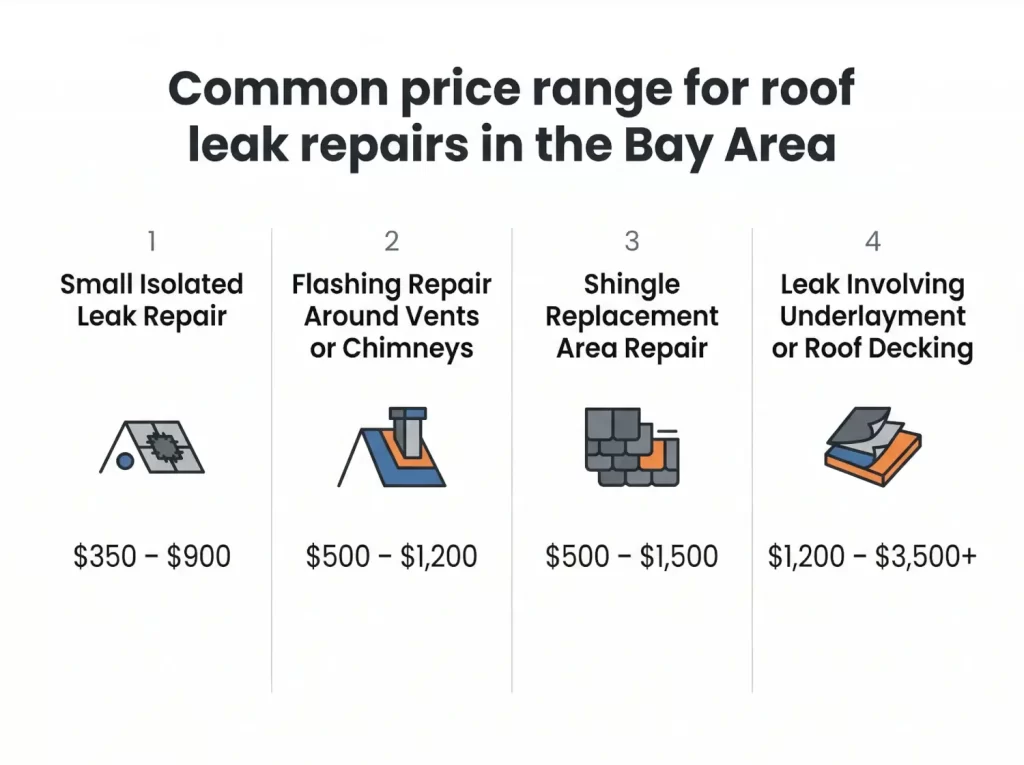
To give you a realistic starting point, here are the ranges homeowners in the Bay Area commonly see.
| Repair Type | Typical Cost Range |
|---|---|
| Small isolated leak repair | $350 – $900 |
| Flashing repair around vents/chimneys | $500 – $1,200 |
| Shingle replacement area repair | $500 – $1,500 |
| Leak involving underlayment/decking | $1,200 – $3,500+ |
These numbers can vary depending on roof size, materials, and accessibility, but they give a reasonable ballpark for most residential properties.
What’s important to remember is that early repairs are almost always cheaper than waiting until water damage spreads.
The Most Common Causes of Roof Leaks
Understanding where leaks usually start can help explain why prices vary.
Damaged or Missing Shingles
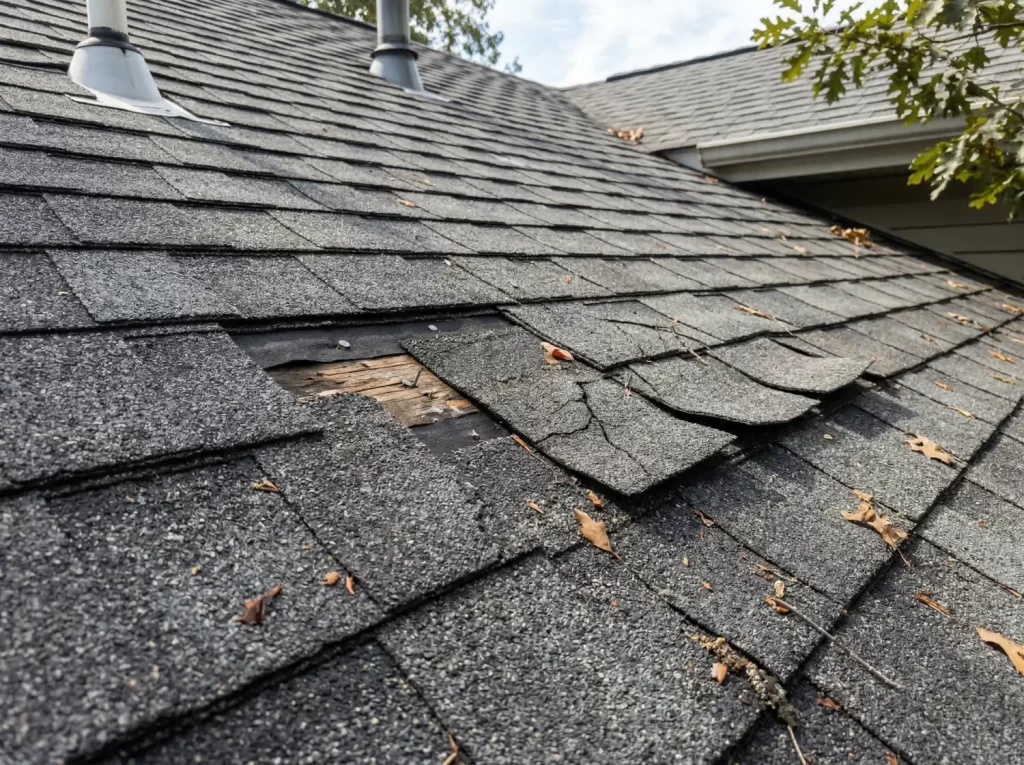
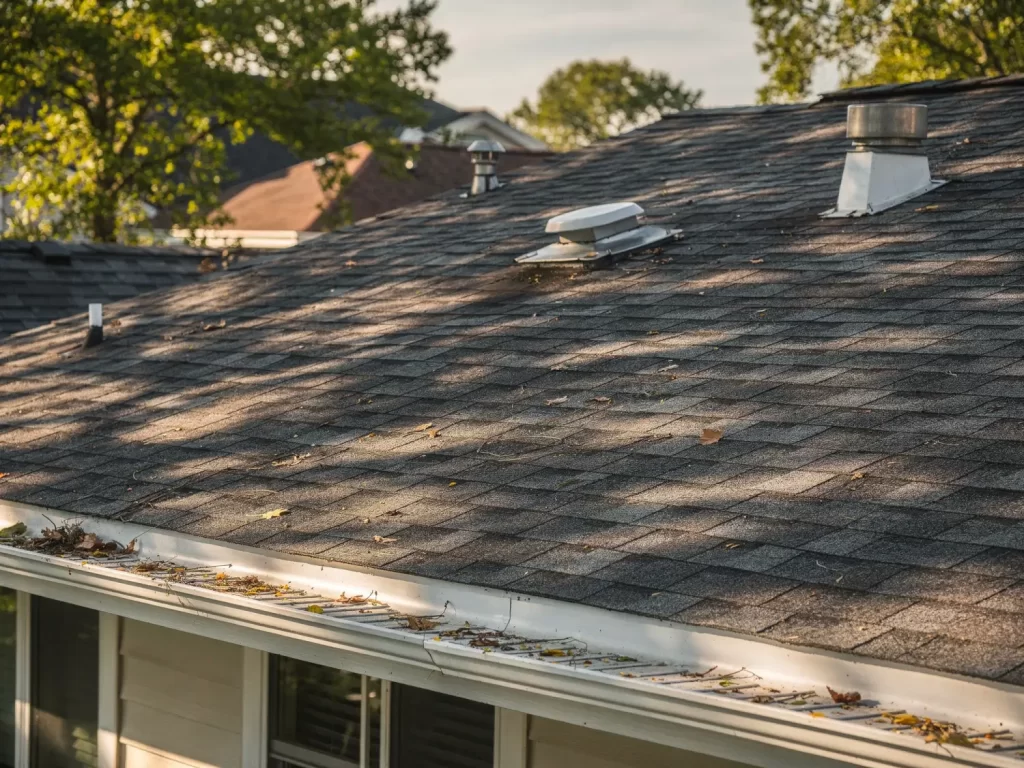
Wind, age, and general wear can cause shingles to crack, curl, or fall off entirely. Once the protective layer is compromised, water can slip underneath.
Repairing a small section of shingles is usually one of the more affordable fixes.
Why shingle damage often leads to small repairs
If the surrounding roof is still in good shape, replacing the damaged shingles and sealing the area may solve the problem completely.
But if many shingles are deteriorating, it could indicate the roof is reaching the end of its lifespan.
Flashing Problems Around Roof Features
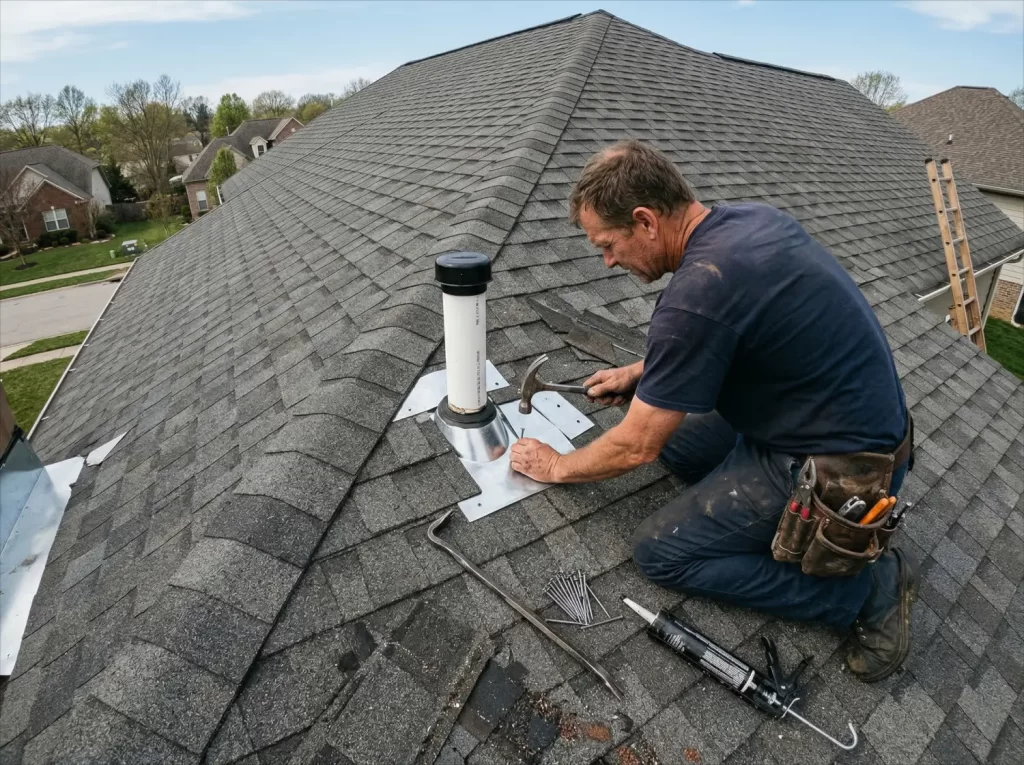
Many leaks don’t come from the main roof surface at all.
They start around areas where something penetrates the roof, such as:
- Chimneys
- Skylights
- Plumbing vents
- Roof valleys
Flashing is the metal material designed to seal these transitions. If it lifts, corrodes, or separates, water can sneak inside.
Why flashing issues are common leak sources
Roof penetrations experience a lot of expansion and contraction from temperature changes. Over time, sealants dry out and metal edges can loosen.
Repairing flashing is usually straightforward if the issue is caught early.
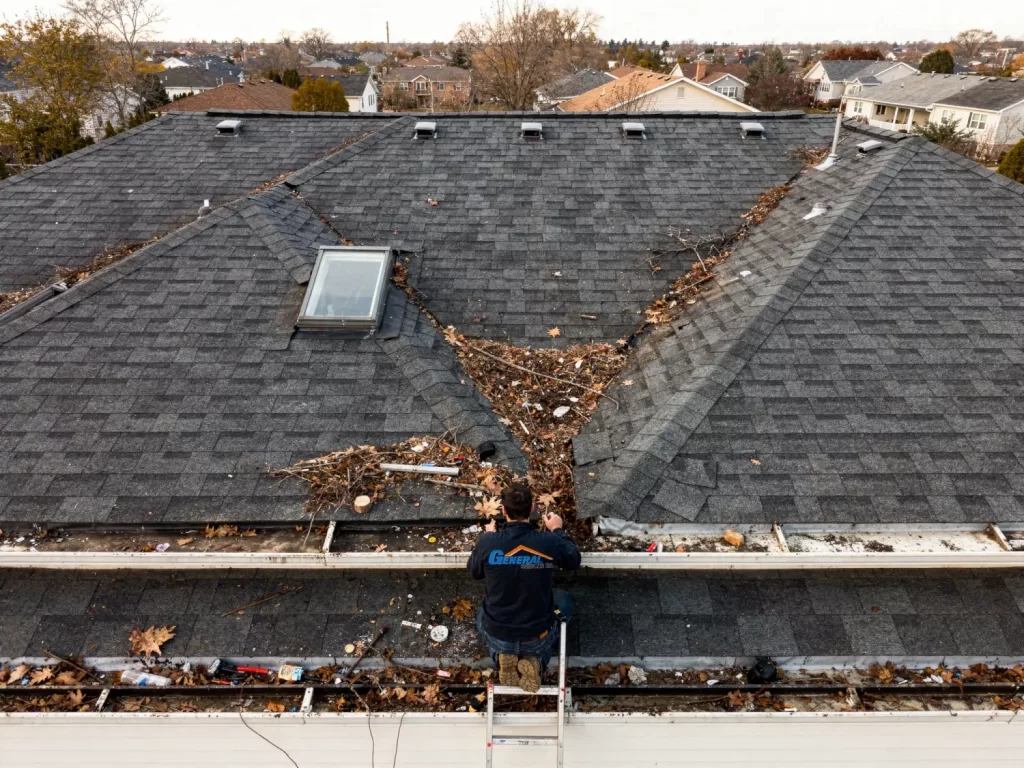
Clogged Gutters and Water Backup
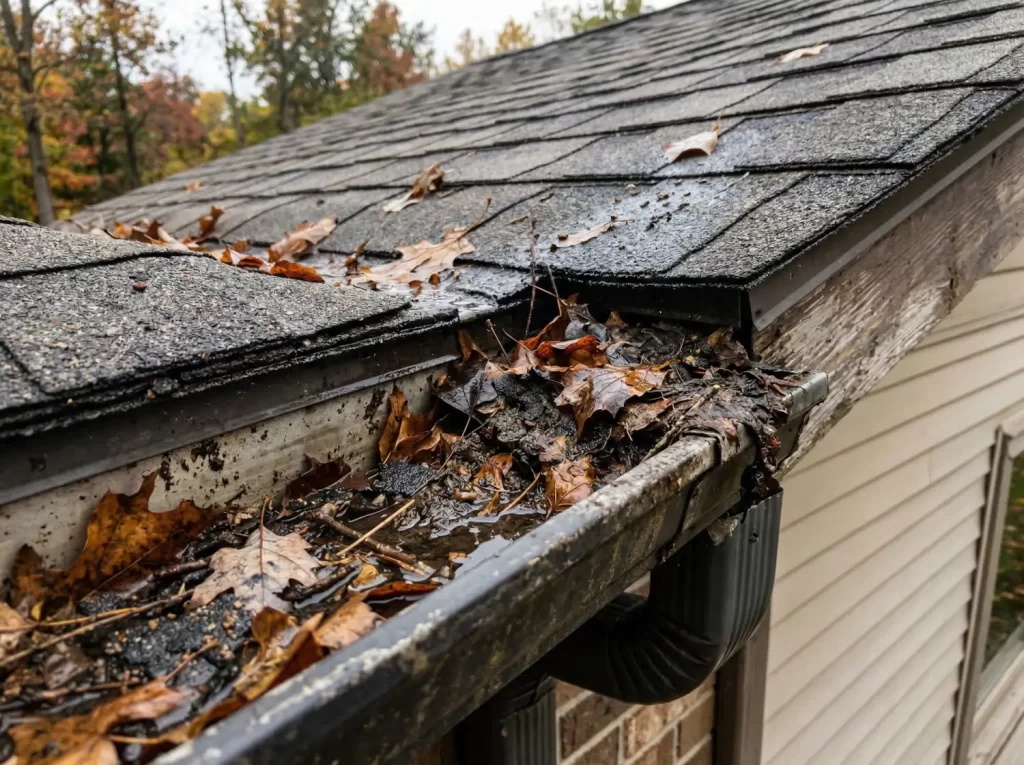
When gutters fill with debris, water can pool along the roof edge. Instead of flowing away from the house, it can back up under shingles.
This kind of problem is especially common during the rainy season when leaves and debris accumulate quickly.
Why drainage problems can cause leaks
Roofs are designed to shed water efficiently. When drainage is blocked, water sits longer than it should, which increases the chance of finding small openings.
Keeping gutters clean can prevent a surprising number of leak issues.
Roof Leak Repair Cost: Factors That Affect the Price
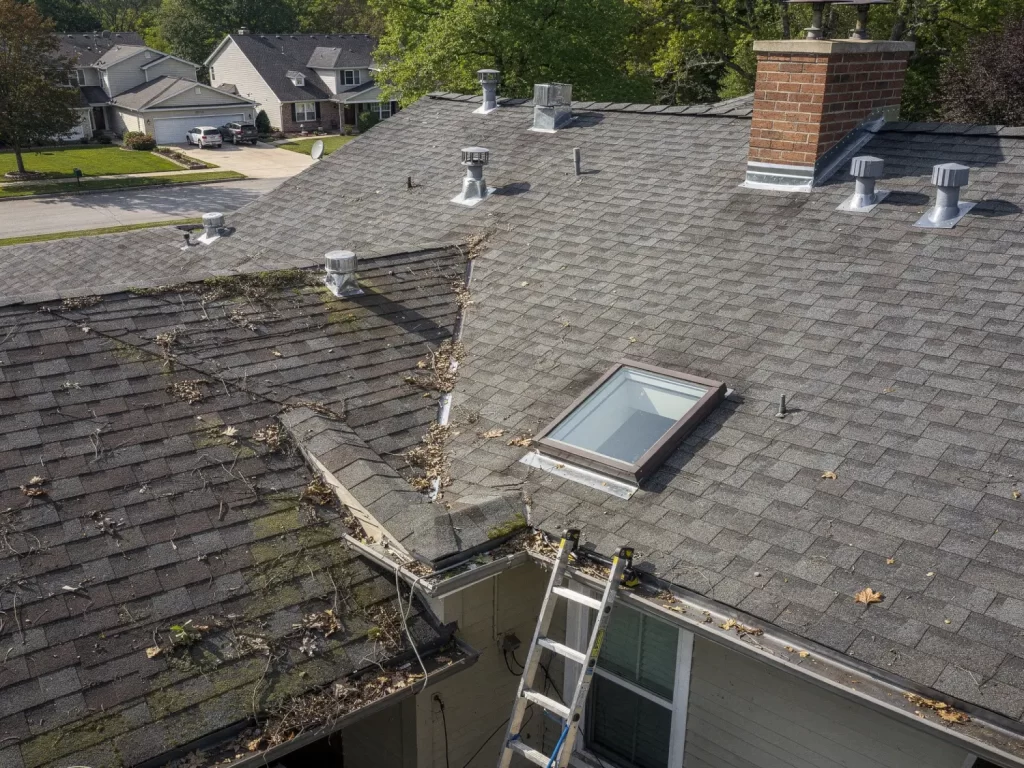
Even for similar problems, repair costs can vary depending on a few important factors.
Roof Accessibility
A simple repair on a single-story home is usually faster and safer to complete.
Steeper roofs, multi-story homes, or roofs with complex designs may require additional safety equipment and labor.
Roof Material
Different roofing materials require different repair techniques.
For example:
- Asphalt shingles are usually easier to repair
- Tile roofs may require careful removal and replacement
- Metal roofs involve specialized sealing and fastening
Material type can influence both labor time and material costs.
Extent of Hidden Damage
Sometimes the visible leak is only part of the story.
If water has reached the roof decking, insulation, or interior drywall, the repair may involve additional work beyond the exterior roofing materials.
Catching leaks early is the best way to avoid this situation.
When a Leak Might Mean Something Bigger
Most homeowners worry that a leak automatically means a full roof replacement. In reality, that’s not always the case.
However, there are situations where repairs become less practical.
These include:
- Roofs over 20–25 years old
- Widespread shingle deterioration
- Repeated leak repairs in the same area
- Structural roof sagging
In those cases, repairing one spot may only delay the inevitable.
At General Roofing, we often help homeowners determine whether a repair actually makes financial sense or whether it’s better to plan for a longer-term solution.
Sometimes the answer is a quick repair. Sometimes it’s a conversation about future planning. Either way, having clear information helps homeowners make decisions without unnecessary stress.
How to Prevent Expensive Leak Repairs
The best way to control roof leak repair cost is simple: catch problems early.
A few practical habits can make a big difference:
- Checking your attic occasionally during rainy weather
- Keeping gutters and downspouts clear
- Trimming branches that touch the roof
- Watching for missing shingles or debris buildup
If something looks suspicious, it’s usually worth getting it checked sooner rather than later.
For homeowners who want to learn more about how proper ventilation affects roof health and energy efficiency, the U.S. Department of Energy provides a helpful overview of attic ventilation and moisture control.
Good airflow can extend roof life and prevent moisture-related problems that sometimes lead to leaks.
What Bay Area Homeowners Should Do Next
If you suspect a leak, the smartest first step is confirming where the water is actually entering.
Leaks can travel along beams or under roofing layers before appearing inside the house, which means the visible stain isn’t always directly below the problem.
A professional inspection can identify:
- The source of the leak
- Whether the repair is localized
- The overall condition of the roof
If you’re unsure how serious the issue might be, our team at General Roofing regularly helps Bay Area homeowners evaluate leaks and determine the most practical repair approach.
Sometimes it’s a small fix. Sometimes it’s a signal that a roof has reached the end of its lifespan. Either way, understanding the situation early is the best way to avoid bigger problems later.
If you’re hiring a roofing contractor in California, it’s also a good idea to confirm that they’re properly licensed. The California Contractors State License Board allows homeowners to verify contractor licenses online, which helps ensure the company is qualified and in good standing.
If you’d like to try it yourself, you can look up our license as well, General Roofing’s CSLB license number is #154732.
Frequently Asked Questions
What is the average roof leak repair cost?
Most residential leak repairs fall between $350 and $1,500, depending on the cause and roof material.
Is fixing a roof leak expensive?
Not always. Many leaks come from localized problems like damaged shingles or flashing, which can often be repaired without major work.
How quickly should a roof leak be repaired?
As soon as possible. Even small leaks can cause interior damage if water continues entering the roof system.
Can a roof leak stop on its own?
No. A leak might appear to stop temporarily during dry weather, but the underlying issue will remain until it’s repaired.
Does homeowners insurance cover roof leaks?
Insurance may cover damage caused by sudden events like storms, but it usually does not cover leaks caused by normal wear or poor maintenance.
How can I tell where a roof leak is coming from?
Signs include water stains, damp insulation in the attic, damaged shingles, or leaking around roof penetrations like vents or chimneys.
Final Thoughts
A leaking roof can feel stressful, but the situation is often more manageable than homeowners expect.
Understanding the typical roof leak repair cost and the factors that influence it can help you approach the problem calmly and make better decisions about repairs.
In many cases, early detection keeps repairs simple and affordable. Waiting until the damage spreads is what usually drives costs up.
If you’ve noticed water stains, missing shingles, or anything that looks suspicious, it’s worth taking a closer look before the next big rain decides to test your roof.
Recent Comments