
One lifted shingle edge is easy to shrug off. Then you notice two more, and suddenly you are checking the weather app. Curling shingles can point to age, trapped moisture, installation trouble, or wind damage. The shape and location offer clues, but a safe roof inspection is the best way to learn how far the problem has spread.
What do curling shingles look like?
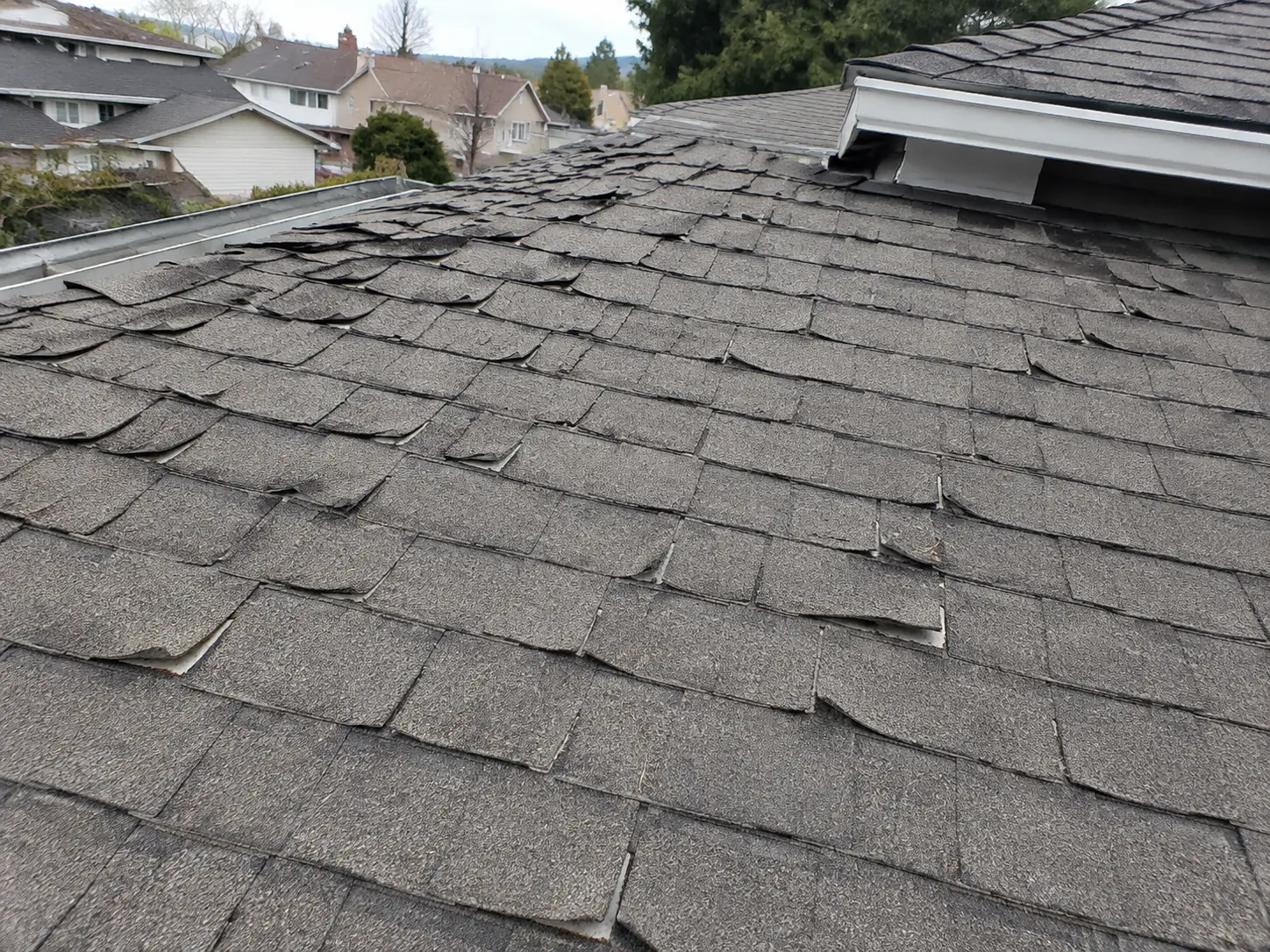
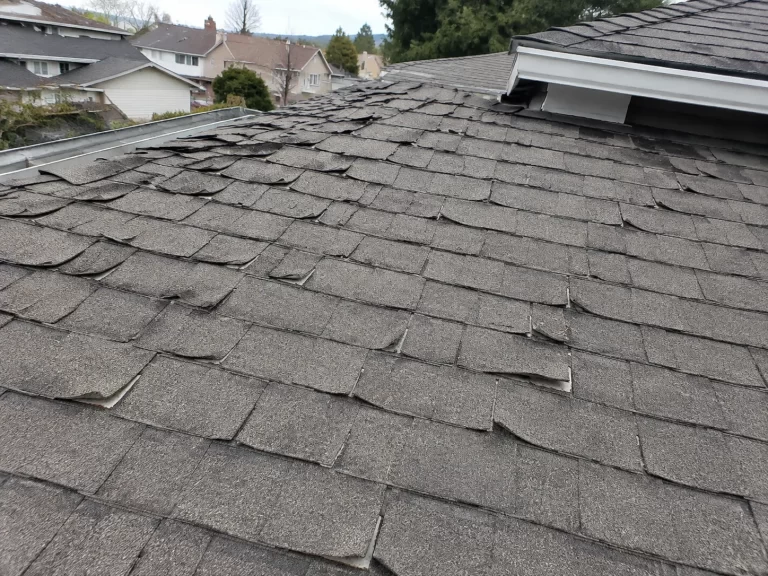
Curling happens when part of an asphalt shingle no longer lies flat against the roof. It usually appears in one of two ways:
- The outside corners or lower edge turn upward.
- The center lifts while the edges remain closer to the roof, creating a raised or buckled look.
You may notice it first along a roof edge, around a vent, or on the side that receives the most sun and weather. Curling can affect a few shingles or form a visible pattern across an entire slope.
Not every raised edge means the roof is failing. Some shingles can lift temporarily in cold conditions and settle again as temperatures change. IKO describes this as winter curling and notes that climate, humidity, roof pitch, attic ventilation, shingle type, and age can all affect it. Curling that remains in mild weather, spreads, or comes with cracks and missing granules deserves a closer look.
Why are my roof shingles curling?
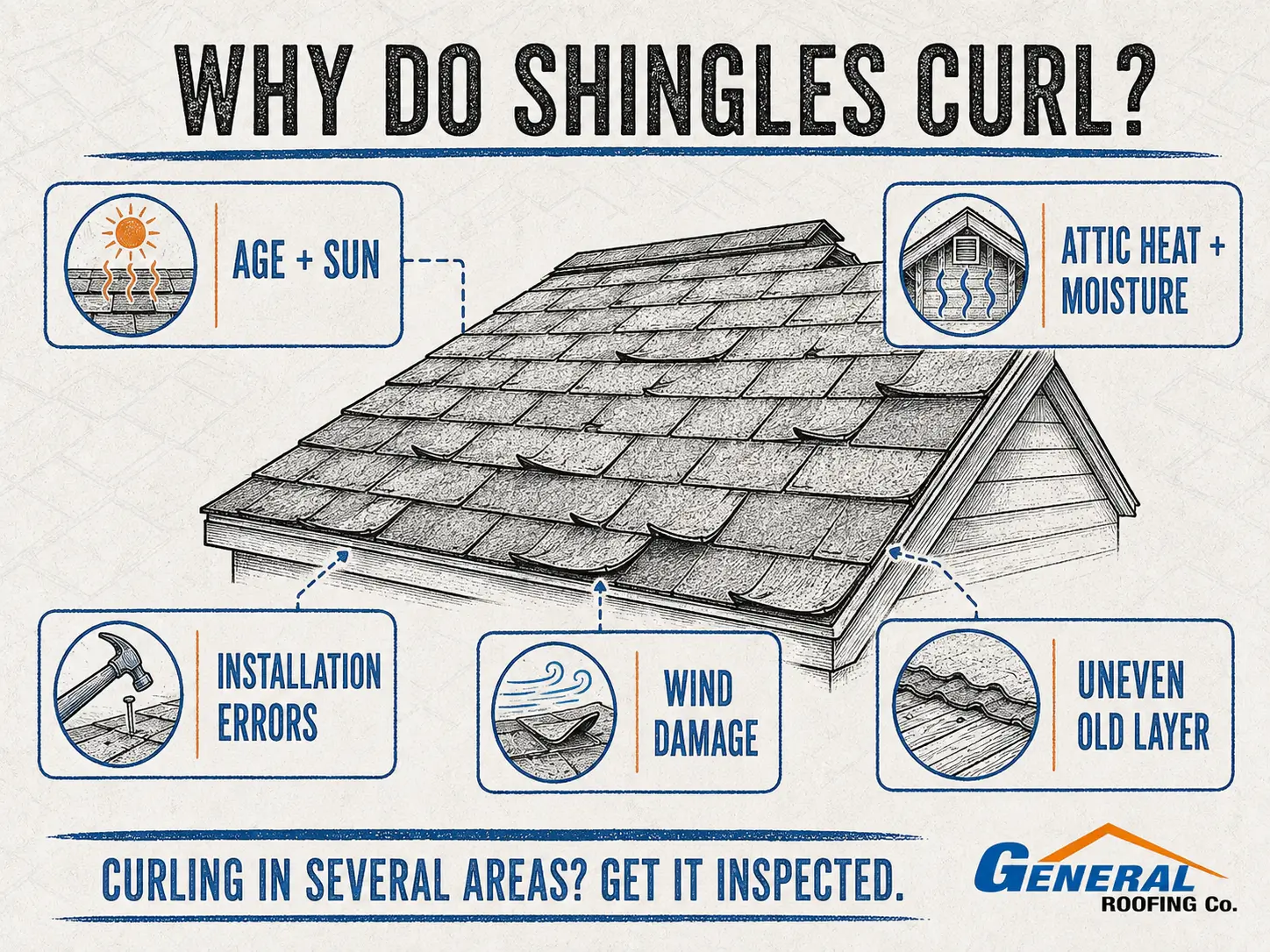
The frustrating part is that curling has several possible causes. Sometimes the shingles are simply wearing out. Other times, the trouble starts below the surface.
The shingles are aging
Asphalt shingles spend years expanding and contracting under sun, rain, wind, and temperature changes. Over time, the material becomes less flexible. Edges can dry out, lose their seal, and begin to turn upward.
If one shingle curled after a branch hit the roof, that is one thing. If most of a sun-beaten slope is curling, age is a more likely suspect. Brittle tabs, cracks, bald areas, and roof granule loss often show up at the same time. Replacing a handful of shingles will not do much if the material around them is also worn out.
Heat or moisture is building up in the attic
The roof and attic work as one system. Air leaks, moisture, insulation gaps, and ventilation problems can change the temperature and moisture conditions beneath the roof deck. Those conditions may contribute to uneven wear or movement in the roofing materials.
This is why an inspection should not stop at the shingle surface. The attic may reveal damp sheathing, staining, blocked vents, compressed insulation, or another clue that changes the repair plan. The U.S. Department of Energy notes that effective attic air sealing can help prevent moisture problems, but the right approach depends on whether the home has a vented or conditioned attic.
The shingles were installed incorrectly
Nailing position matters. A nail placed too high, too low, or driven through the shingle can keep the material from sealing and holding as designed. Misaligned courses, an uneven roof deck, or shingles installed over a poor surface can also create lifted areas.
Installation problems do not always show up right away. The roof may look fine until repeated heat cycles or strong winds expose the weak spots. Curling that follows straight rows or appears on a relatively young roof can point toward an installation issue.
Wind loosened the shingle tabs
Wind can break a shingle’s seal without removing the entire piece. Once a tab is loose, repeated gusts may bend it upward and leave a crease. Roof edges and corners are especially exposed.
GAF recommends looking for loose, creased, curled, or missing shingles after strong winds. A ground-level check is useful, but walking on a damaged roof can make the problem worse and put you at risk.
The roof was installed over an old layer
Some homes have new shingles installed over an existing roof. If the old layer was already uneven, curled, or buckled, those shapes can show through the new surface. The result may look like a material problem even though the uneven base is the real cause.
A second layer can also make diagnosis harder because the roof’s condition is hidden below the visible shingles. A roofer may need to check the number of layers and the state of the roof deck before recommending a lasting fix.
Are curling shingles a serious problem?
They can be. Flat, sealed shingles shed water down the roof. A lifted edge gives wind-driven rain a way underneath, and it gives the next gust something to grab.
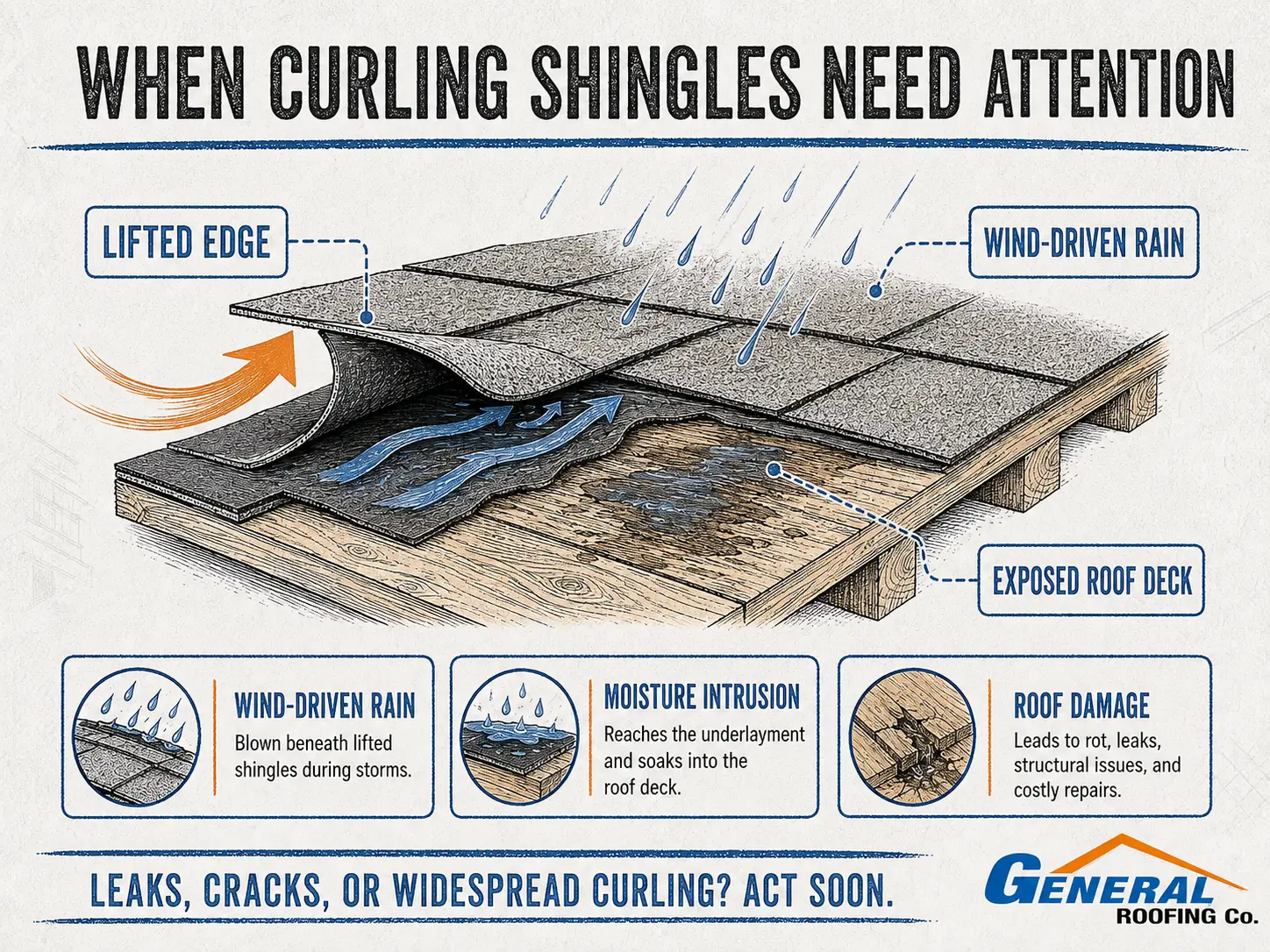
The risk depends on the extent of the damage and what is happening below it. A single curled shingle caused by localized damage may be repairable. Widespread curling on an older roof can signal that the system is wearing out.
Watch for signs that make the situation more urgent:
- Water stains on ceilings or walls
- Damp or musty smells in the attic
- Missing, cracked, or torn shingles nearby
- Large amounts of granules in gutters or at downspout outlets
- Soft-looking or sagging sections of the roof
- Curling that appeared after a windstorm
- Daylight visible through the roof deck from the attic
If active water is entering the home, move belongings away from the area, contain the drip if it is safe to do so, and arrange an inspection promptly. The source may not be directly above the stain because water can travel along decking and framing before it becomes visible indoors.
Can curled shingles be repaired?
Sometimes. The real question is how healthy the surrounding roof still is. A targeted repair can make sense when the damage is limited, nearby shingles remain flexible, and the roof deck is sound. The damaged shingles may need to be removed and replaced, along with any affected underlayment or flashing.
Trying to flatten an old shingle with adhesive is not always a durable repair. Brittle material can crack when it is lifted, and sealing the visible edge does not correct moisture, deck, or installation problems underneath. It may also complicate warranty coverage if the work does not follow the manufacturer’s requirements.
If curling covers several areas, the roof is near the end of its expected life, or leaks have damaged the deck, replacement may be more practical. Our guide to roof repair versus replacement explains the bigger factors, including the roof’s age, damage pattern, repair history, and overall condition.
What to do when you spot curling shingles
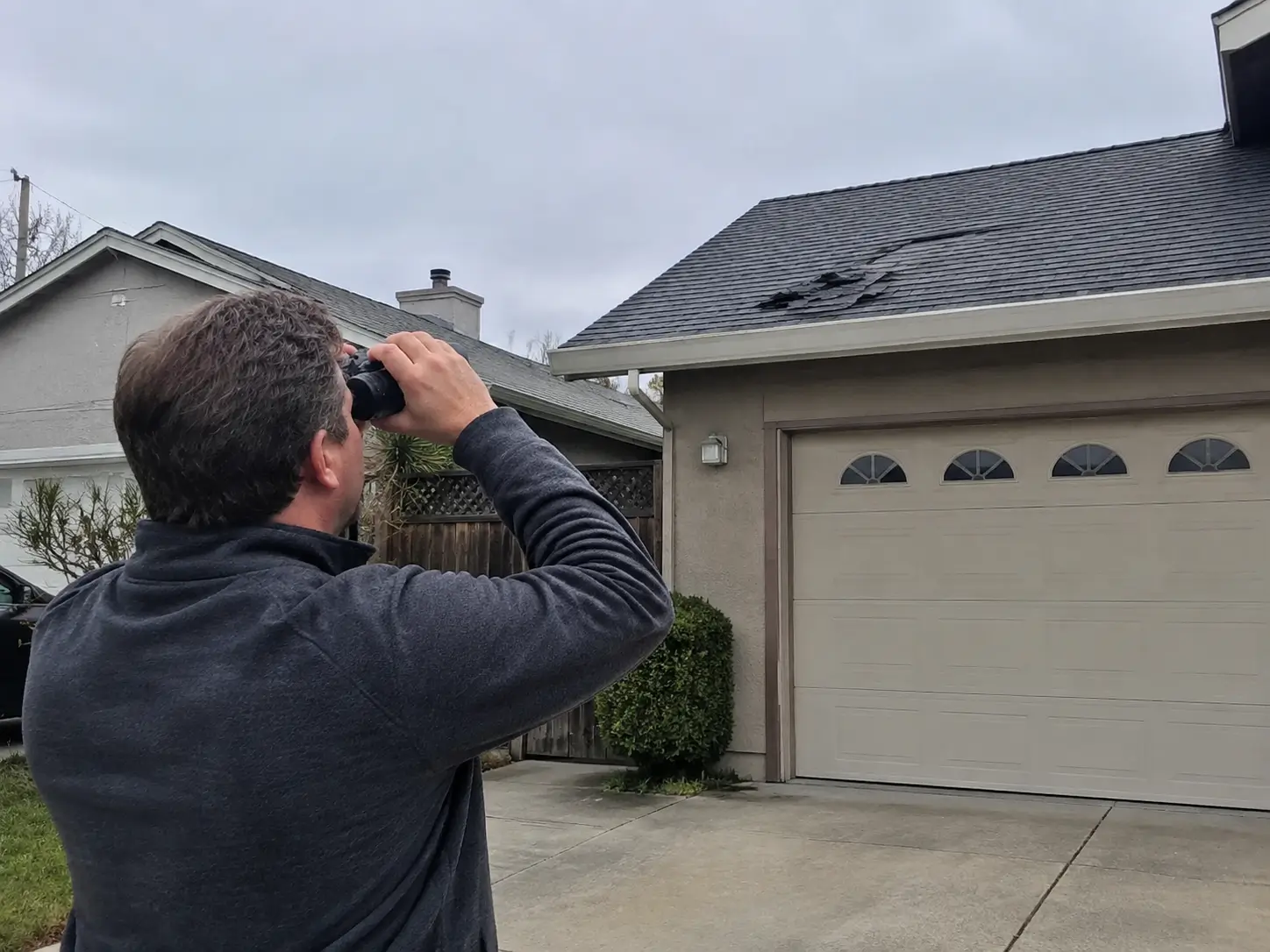
Start with a quick check from the ground. Take photos from several angles if you can do so safely. Note whether the curl is limited to one spot, follows a row, or covers most of a slope. After a storm, look around the yard for shingle pieces and check the attic for new moisture.
Then schedule a professional roof inspection. A useful inspection should look beyond the visible curl and answer a few practical questions:
- Is the problem isolated or widespread?
- Are the shingles brittle, cracked, or losing granules?
- Is there evidence of wind damage or failed seals?
- Is the roof deck flat and dry?
- Are flashing and penetrations still watertight?
- Could attic moisture or airflow be contributing?
- Is a repair likely to last, or would it only postpone replacement?
Do not climb onto the roof to press the shingles down or test them with your foot. Curled material can snap underfoot, and damaged areas may be slippery or weaker than they look. Binoculars, a camera zoom, and an attic check are safer ways to gather information before the roofer arrives.
How to reduce the chance of future curling
No roof stays new forever, but good installation and routine attention help shingles perform as intended.
- Keep gutters and roof drainage paths clear so water does not back up at the edges.
- Have lifted flashing, damaged vents, and missing shingles repaired before nearby materials deteriorate.
- Check the attic after heavy rain for stains, damp insulation, or musty odors.
- Do not block soffit or ridge vents in a vented attic.
- Use compatible replacement materials and follow the shingle manufacturer’s fastening instructions.
- Keep inspection records, photos, invoices, and warranty paperwork together.
If you are unsure what the warranty covers, read the roof warranty guide before authorizing work. Workmanship coverage and manufacturer coverage are different, and both may have conditions that affect a claim.
Frequently asked questions
Will curling shingles cause a leak?
Not every curled shingle is leaking at the moment you notice it, but lifted edges can make it easier for wind-driven rain to get beneath the roof covering. The risk rises when the shingles are cracked, loose, missing granules, or surrounded by other damage.
How long can a roof last after shingles start curling?
There is no reliable countdown. One damaged shingle on a newer roof is different from widespread curling on an older one. The condition of the roof deck, underlayment, flashing, and surrounding shingles matters more than the curl alone.
Can I glue curling shingles down?
Roofing cement may be part of some manufacturer-approved repairs, but simply gluing an old shingle flat can hide the symptom without fixing the cause. Brittle shingles may crack during the attempt. A roofer can determine whether replacement of the individual shingle is safer and more durable.
Does curling mean I need a new roof?
Not automatically. Localized damage may only need a repair. Replacement becomes more likely when curling is widespread, the shingles are brittle, the roof has recurring leaks, or the deck and underlayment are also damaged.
Can poor attic ventilation make shingles curl?
Attic conditions can contribute to uneven heat and moisture at the roof deck, but ventilation is not the only possible cause. Age, installation, wind, roof layering, and the shingle type also matter. The attic design should be evaluated as a complete system rather than assuming that adding vents will fix the problem.
Final thoughts
Curling shingles are worth checking before the next stretch of wet or windy weather. A small damaged patch may have a straightforward repair. A widespread pattern is a different story and can point to age, installation trouble, or a problem below the surface. Finding the cause early gives you a better chance of protecting the roof deck and keeping water out of the house.
If you are in the Bay Area, our team can inspect the roof, explain what is repairable, and show you when replacement is the more sensible choice. Learn more about roof repairs and maintenance or request a roof estimate.
Recent Comments